Canadian Toad

(Anaxyrus hemiophrys)

Canadian Toad
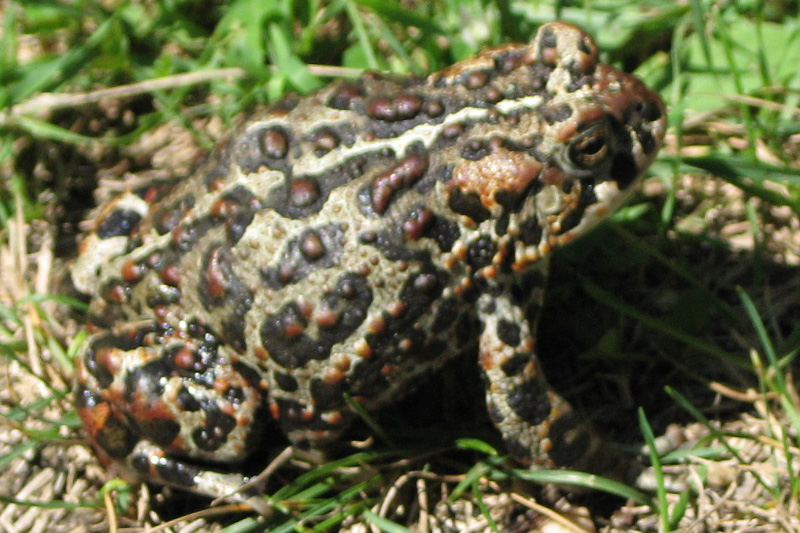
Canadian Toad. Photo by: ceasol Flickr (CC BY-SA 2.0)

IUCN Conservation Status: Least concern (LC)

Last updated: December 8th, 2015

View on UICN →

Common name(s):Canadian Toad, Dakota toad
Binomial name:Anaxyrus hemiophrys
Location(s): The United States
Size:2.2 to 3.1 inches

Taxonomy

Kingdom:

Animalia (Animal)

Phylum:

Chordata (Chordates)

Class:

Amphibia (Amphibian)

Order:

Anura (Frogs & Toads)

Family:

Bufonidae (True toad)

Genus:

Anaxyrus

More About the Canadian Toad

If you’re exploring the northern prairies or wetlands of the U.S. and spot a chunky little toad with a curious bump between its eyes, there’s a good chance you’ve found the Canadian Toad (Anaxyrus hemiophrys). Despite the name, it’s not just a Canadian resident — this species ventures south into parts of the northern United States.

The Canadian Toad is known for its rugged cold-weather resilience and its love for open grasslands, which makes it a bit of an outlier among amphibians that usually stick closer to forests or water.

Size & Physical Appearance

Canadian Toads are on the smaller side for toads, typically ranging from 2 to 3 inches long. Their skin is dry and covered in warty bumps, which is pretty standard toad fare, but the coloration helps them blend into the prairie landscape. They’re usually a brown, tan, or grayish color, streaked or speckled with darker markings — like a piece of camouflaged gravel.

One standout feature is the bony ridge (cranial crest) that runs behind each eye and joins in the middle to form a bump — known as the interorbital boss. That’s a handy clue for telling them apart from similar species.

Males are usually smaller than females and may have a darker throat, especially during breeding season when they call.

Habitat and Range

This toad is built for open spaces and northern temps. You’ll most often find it in:

  • Prairies
  • Grasslands
  • Wet meadows
  • Edge of marshes and ponds

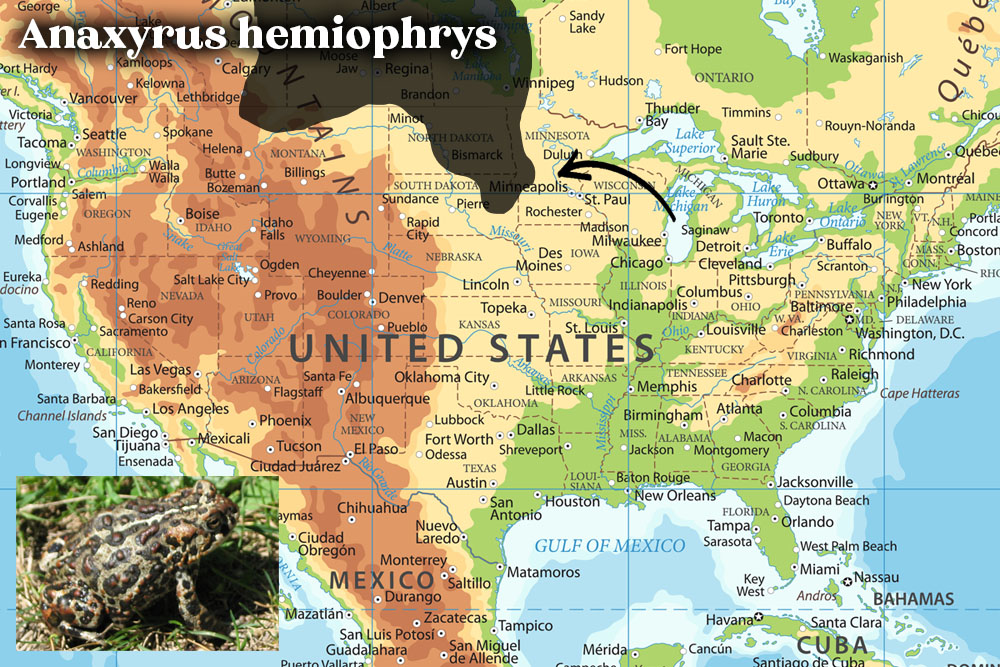
It ranges through the north-central United States, especially the eastern Dakotas and western Minnesota. It’s more common in Canada, but there are healthy populations at the southern edge of its range in the U.S.

During dry periods, these toads burrow underground to escape the heat and drought.

Diet

Like many toads, the Canadian Toad is an opportunistic feeder. It mainly eats:

  • Insects
  • Spiders
  • Worms
  • Other small invertebrates

They’ll snap up just about anything they can catch with that sticky tongue. While their diet isn’t unusual, it’s interesting to note how adaptable they are — they can hunt in grassy fields, muddy ponds, or even roadside ditches.

Lifespan

In the wild, Canadian Toads typically live about 4 to 7 years. In captivity, they may live a little longer, but they’re not common in the pet trade. The hazards of seasonal droughts and predators mean many don’t live to old age outside of protected areas.

Identification Tips

The Canadian Toad is often confused with the closely related American Toad (Anaxyrus americanus) or the Great Plains Toad (Anaxyrus cognatus). Here’s how to tell them apart:

  • Look for the raised bump between the cranial crests — that interorbital boss is a signature feature.
  • Compared to the American Toad, the Canadian Toad tends to be shorter and more compact.
  • The Canadian Toad’s call is a short, high-pitched trill — not as long as the American Toad’s drawn-out call.

If you’re in the northern Plains and see a small toad with that distinctive head bump, you’ve likely found your Canadian.

Fun Fact

During winter, Canadian Toads don’t just sit still — they go deep underground to hibernate. Some may dig down more than a foot to escape the deep freeze of northern winters. This extreme overwintering strategy is pretty impressive for an amphibian, and it’s part of what allows them to thrive in areas where winters hit hard and last long.

The Canadian Toad may not be flashy, but it’s a tough little survivor and a fascinating part of prairie ecosystems. Whether you’re frog-spotting on a spring hike or just curious about your local amphibians, this toad is worth keeping an eye out for.

Got photos, calls, or stories about spotting one? Share them in the comments or tag us on social — we love hearing about your backyard amphibian discoveries!