Green Toad

(Anaxyrus debilis)

Green Toad
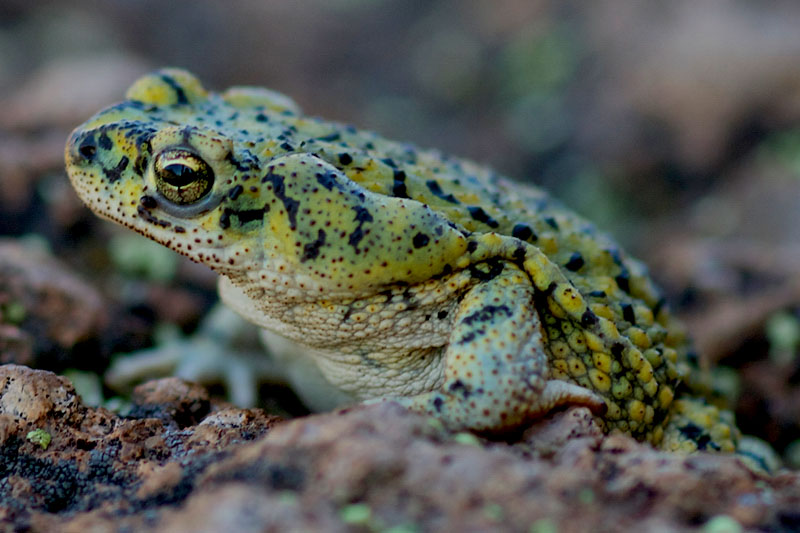
Green Toad. Photo by: Gregory Smith Flickr (CC BY-SA 2.0)

IUCN Conservation Status: Least concern (LC)

Last updated: April 30th, 2004

View on UICN →

Common name(s):Green Toad, North American Green Toad
Binomial name:Anaxyrus debilis
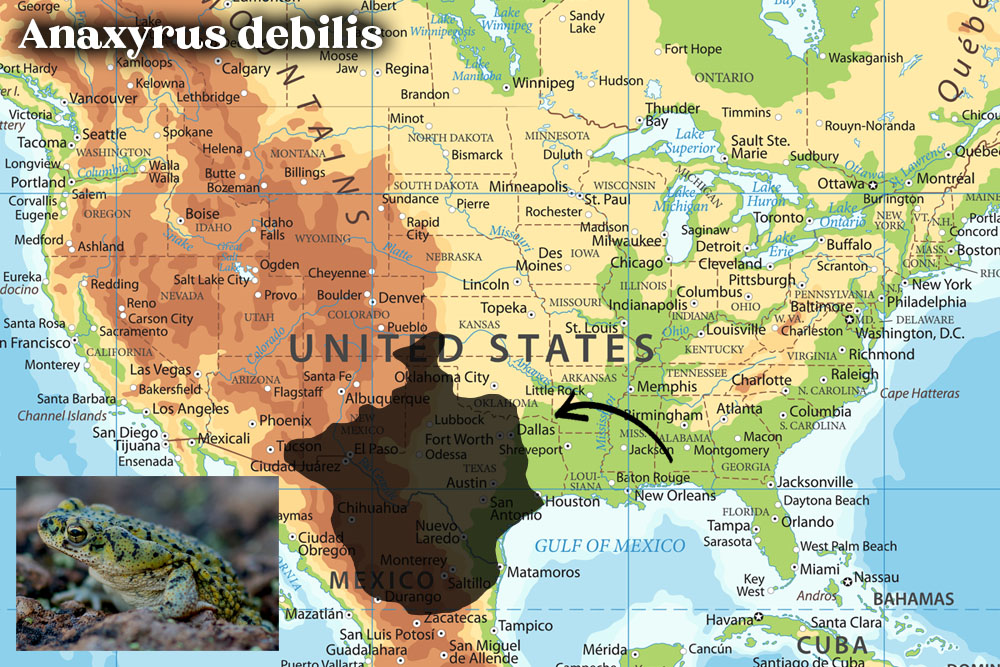
Location(s): The United States
Size:1.5 to 1.8 inches

Taxonomy

Kingdom:

Animalia (Animal)

Phylum:

Chordata (Chordates)

Class:

Amphibia (Amphibian)

Order:

Anura (Frogs & Toads)

Family:

Bufonidae (True toad)

Genus:

Anaxyrus

More About the Green Toad

Hey there, nature lovers! Let’s talk about a little amphibian that might just steal your heart: the Green Toad, scientifically known as Anaxyrus debilis. This pint-sized toad is a hidden treasure of the southwestern United States, often overlooked because of its small stature and shy nature. What makes it special? Well, it’s not just its vibrant green color, but also its ability to thrive in some of the harshest, driest environments around. Stick with me, and I’ll tell you everything you need to know about this cool critter!

Size & Physical Appearance

The Green Toad is a small fry in the toad world, usually measuring between 1.5 to 2.5 inches in length. That’s about the size of a large coin or a small cookie! Its body is a striking bright green or yellowish green, dotted with tiny black spots that give it a speckled look.

Unlike some other toads, its skin is pretty smooth for a toad, though it still has those signature bumpy warts. Males and females look pretty similar, but if you listen closely during mating season, males have a distinct call (more on that later). Juveniles tend to be a bit duller in color, but they still sport that iconic green hue.

Habitat and Range

If you’re looking to spot a Green Toad, you’ll need to head to the arid landscapes of the Southwest. These toads love desert grasslands, shrublands, and sandy areas, often near temporary pools or streams where they can breed after rains.

They’re mostly found in states like Texas, New Mexico, Arizona, and parts of Oklahoma, with some populations dipping into northern Mexico. Elevation-wise, they stick to lower areas, usually below 5,000 feet. So, pack your hiking boots and look for them after a good rainstorm in these dry regions!

Diet

Green Toads aren’t picky eaters. In the wild, they munch on a variety of small insects and invertebrates like beetles, ants, and spiders. Basically, if it’s tiny and crawls, it’s fair game for this toad.

What’s neat is how they hunt at night, using their sticky tongues to snatch prey with lightning speed. If you’ve got a backyard in their range, keeping it free of pesticides can help ensure they have plenty of natural snacks to eat.

Lifespan

In the wild, a Green Toad typically lives around 2 to 5 years, though harsh desert conditions can sometimes cut that short. In captivity, with proper care, they might stretch that to 7 years or so.

Their short lifespan means they’ve got to make the most of every rainy season to breed and keep their population going. Nature’s tough out there, but these little guys are tougher!

Identification Tips

Spotting a Green Toad can be tricky since they’re small and blend into their surroundings. But that bright green color is your first clue! Unlike the more brownish or grayish American Toad (Anaxyrus americanus), the Green Toad’s vibrant hue stands out.

Also, check the size—Green Toads are much smaller than many other toads in their range. Another tip? Listen for their call if you’re out at night during the rainy season. Males make a high-pitched, buzzing trill that sounds almost like a cricket. Compare that to the deeper croak of other species, and you’ll know you’ve got a Green Toad nearby.

Fun Fact

Did you know that Green Toads are like tiny survival experts? They can burrow into the sand during the day to escape the scorching desert heat and only come out at night or after rain. It’s like they’ve got their own built-in air conditioning system! Pretty clever for a creature so small, right?

So, next time you’re exploring the Southwest, keep an eye (and an ear) out for the Green Toad. These little amphibians are a reminder that even in the toughest environments, life finds a way to shine. Got a question about them or spotted one yourself? Drop a comment—I’d love to hear about it!