If you’ve ever spotted a chunky, bumpy toad slowly making its way across a hiking trail or near a mountain lake in the western United States, chances are you met the Western Toad. These toads are one of the most widespread amphibians in the western half of North America – and they’ve got some unique quirks that make them stand out, especially their migrating habits and dry, rugged look. They’re quiet, unflashy, but undeniably fascinating once you know what to look for.
Size & Physical Appearance
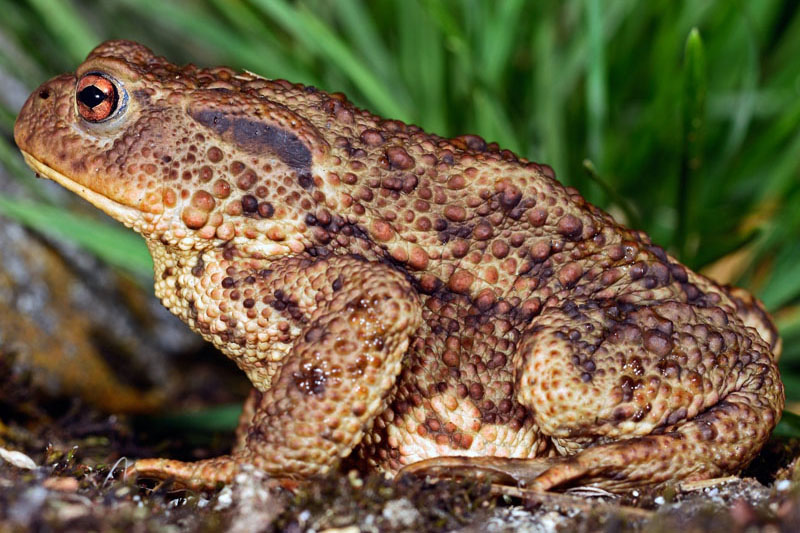
Western Toads are on the larger end of the toad spectrum. Adults typically measure between 2 to 5 inches long, with females usually growing bigger than males. They have the classic toad “look” – broad body, dry and bumpy skin, and relatively short legs that make them better walkers than jumpers.
Their coloration ranges from olive green to brown or gray, usually with a smattering of dark spots. But the real giveaway? Look for the distinct cream or white stripe running down the middle of the back. That dorsal stripe shows up even when their coloring varies.
Their parotoid glands – those large, oval bumps behind their eyes – are very prominent and help produce a mild toxin to deter predators.
Habitat and Range
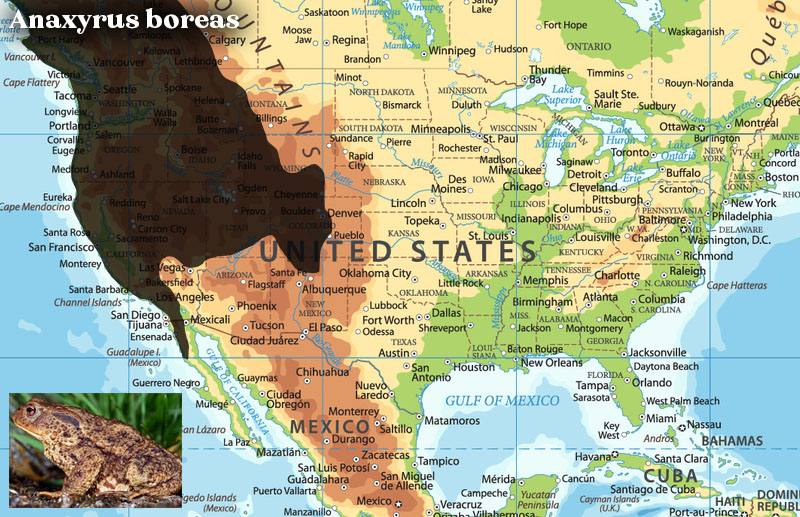
True to their name, Western Toads are found across the western United States, from Alaska and British Columbia down through California, Nevada, Utah, Colorado, and into parts of New Mexico and Arizona.
They’re pretty adaptable and live in a variety of habitats. You’ll find them in mountain meadows, forests, deserts, grasslands, and near lakes and streams. They tend to prefer places with loose, moist soil for burrowing and access to water for breeding. They’re often spotted up to elevations of around 12,000 feet.
In the drier parts of their range, you might be surprised to spot one surviving in seemingly harsh desert areas – they’re good at finding moisture when they need it, often hiding under logs, rocks, or burrowing underground during dry spells.
Diet
Western Toads are insectivores, meaning their diet is mostly made up of insects and other small invertebrates. That includes ants, beetles, spiders, moths, flies – basically whatever fits in their mouth and moves around.
They’re particularly helpful in controlling garden and field pests, so farmers and gardeners tend to like having them around. And unlike frogs, they do most of their hunting on land and at night, slowly stalking prey and snatching it up with a quick flick of the tongue.
Lifespan
In the wild, Western Toads typically live around 6 to 8 years, though individuals have been known to reach over a decade if they avoid predators and disease.
In captivity (such as zoos), they can potentially live a bit longer – up to 10 to 12 years – when given a safe, stable environment and regular food.
Identification Tips
Western Toads are often confused with other toads and even some frogs in overlapping areas. Here’s how to tell them apart:
- Look for the white or cream dorsal stripe. Not all toads have one, but Western Toads almost always do.
- They have large parotoid glands behind the eyes, which are oval and positioned in a straight line with the eyes. Other toads, like the American Toad, may have glands that are slightly offset.
- Listen quietly – male Western Toads are unusual because they don’t have a traditional vocal sac. Instead of a loud trill or croak, they make a quiet chirping or whistling sound during breeding season, sometimes barely audible at all.
These clues can help you distinguish them from species like the American Toad (Anaxyrus americanus) or Yosemite Toad (Anaxyrus canorus).
Fun Fact
Western Toads can migrate! During breeding season in spring, thousands of toads travel from their upland habitats to nearby breeding ponds – sometimes all moving at once. It’s like a tiny amphibian parade, and if you’re in the right spot, it’s really something to see.
In fact, in some places (like parts of Oregon and British Columbia), roads are shut down temporarily each year just so the toads can safely cross during their mass migration. Toad tunnels and barriers have even been built in some areas to help them avoid traffic.
Final Thoughts
Western Toads may not be the flashiest amphibians around, but they’re true survivors – adaptable, widespread, and quietly important to the ecosystems they live in. If you find one in your backyard or out on a hike, consider it a lucky encounter.
Just remember to look, not touch – their skin secretes mild toxins that aren’t dangerous to people, but it’s best to keep wild amphibians safe and stress-free. If you’re looking to help them out, keeping areas wild and reducing pesticide use in your garden can go a long way.