Hey there, nature lovers! Let’s talk about the Great Plains Toad, a tough little amphibian that’s right at home in some of the driest, most wide-open spaces in the United States. This toad isn’t just another bumpy critter hopping around; it’s a survivor, adapted to harsh environments where you’d least expect to find an amphibian. Whether you’re a student working on a project or just curious about the wildlife in your backyard, stick with me to learn what makes this toad so special.
Size & Physical Appearance
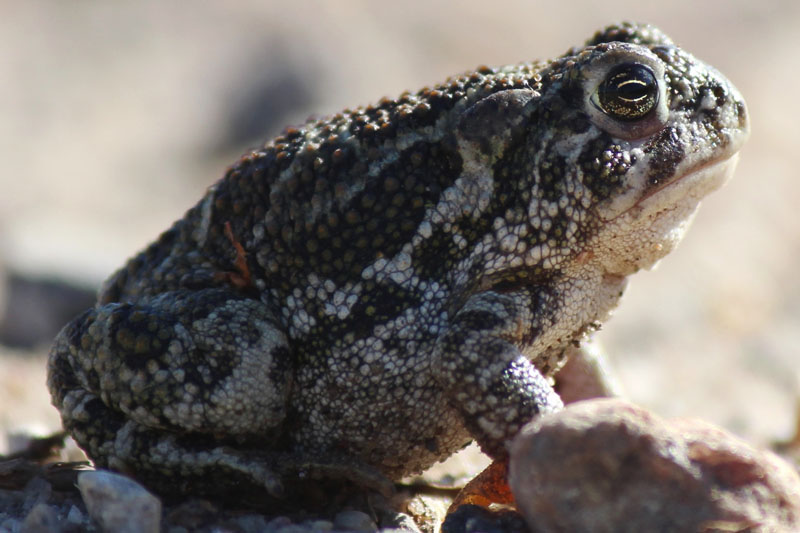
The Great Plains Toad is a medium-sized fella, typically ranging from 2 to 4.5 inches in length. Its body is stout with a kind of rough, warty texture—classic toad vibes! Its color can vary quite a bit, from gray to brown or even a yellowish hue, often with darker blotches or spots that help it blend into the dusty landscape.
One standout feature? Look for the large, oval-shaped cranial crests on its head—those bony ridges between the eyes that come together in a V-shape. Males and females look pretty similar, though males might be a tad smaller and often have a darker throat during breeding season. Juveniles are just mini versions of the adults, but their colors might be a bit more muted until they grow up.
Habitat and Range
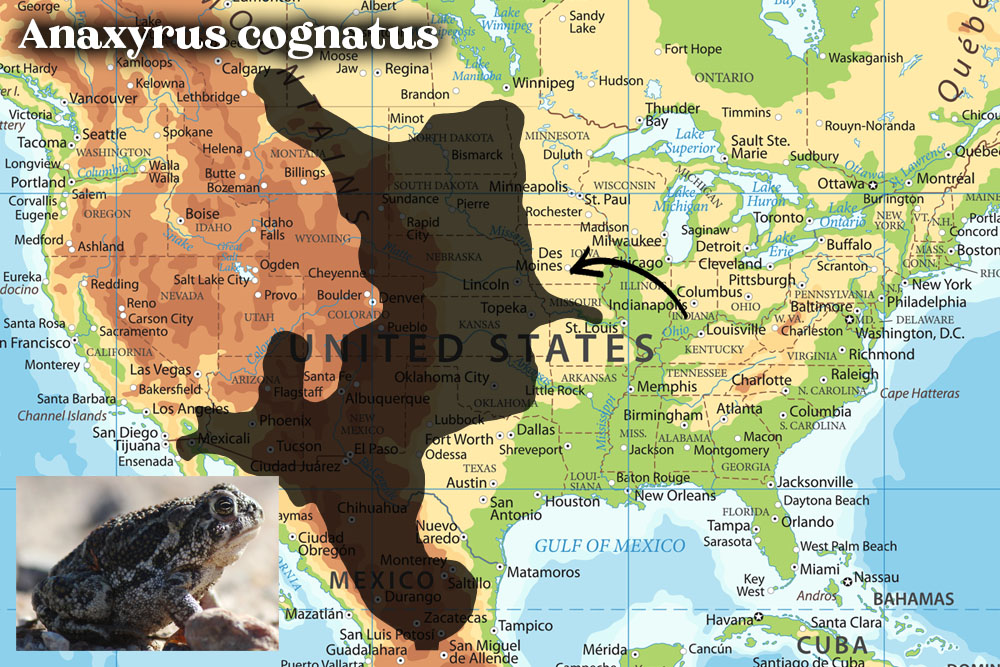
If you’re looking for the Great Plains Toad, head to the heart of the American West. This species calls a huge swath of the central U.S. home, stretching from North Dakota down to Texas and even dipping into parts of northern Mexico. You’ll also spot them in states like Colorado, Nebraska, and Oklahoma.
These toads aren’t picky, but they do love wide-open spaces. Think grasslands, prairies, and deserts—places with sandy or loose soil where they can dig burrows to stay cool and hydrated. They’re often found at lower elevations, but they’ve been known to hang out up to about 5,000 feet in some areas. After a good rain, they’ll pop up near temporary ponds or ditches for breeding. So, if you’re out after a storm, keep your eyes peeled!
Diet
What’s on the menu for a Great Plains Toad? Well, they’re not fussy eaters. These guys are insectivores, chowing down on beetles, ants, grasshoppers, and pretty much any small bug they can snatch with their sticky tongues. They’re nocturnal hunters, so they do most of their dining under the cover of darkness.
Here’s a neat tidbit: they’ve been known to eat a surprising number of agricultural pests, which makes them a farmer’s friend in some areas. So, if you’ve got these toads around, they’re quietly helping keep pesky bugs in check!
Lifespan
In the wild, a Great Plains Toad can live around 5 to 10 years if it avoids predators and harsh conditions. In captivity, with the right care, they might stretch that to 10 to 15 years. Life isn’t always easy out in the plains, though—droughts and hungry critters like snakes or birds can cut things short. Still, these toads are pretty resilient for their size.
Identification Tips
Spotting a Great Plains Toad is pretty straightforward once you know what to look for, but they can be confused with other toads in their range. First, check for those cranial crests I mentioned earlier—they’re a dead giveaway and form that distinct V-shape on the head. Compare this to the Woodhouse’s Toad, which has parallel crests that don’t connect in a V.
Also, look at their overall color and pattern. The Great Plains Toad often has a light-colored stripe down its back, which isn’t always present in similar species like the American Toad. And if you hear their call during breeding season, it’s a loud, metallic trill—kind of like a tiny jackhammer! That’s another way to tell them apart if you’re out at night near a pond.
Pro tip: If you’re not sure, snap a photo (from a safe distance) and compare it to pics online or in a field guide. These toads don’t bite, but they can release a mild toxin from their skin if stressed, so don’t handle them unless necessary.
Fun Fact
Here’s something to wow your friends with: the Great Plains Toad can inflate its body when it feels threatened! It puffs up like a little balloon to make itself look bigger and less appetizing to predators. Isn’t that wild? Nature’s got some crazy tricks up its sleeve, and this toad’s got one of the best.
So, there you have it—a closer look at the Great Plains Toad, a true survivor of the American plains. Next time you’re out exploring grasslands or deserts after a rain, listen for that unique trill or keep an eye out for those telltale crests. Have you ever spotted one of these toads? Drop a comment below—I’d love to hear about it! And if you’re curious about other amphibians in your area, stick around for more profiles on our blog.